
The History of Huntington Park
Huntington Park has been at the heart of Nob Hill for more than a century.
What is now a beloved neighborhood park once held one of San Francisco’s grandest private homes.
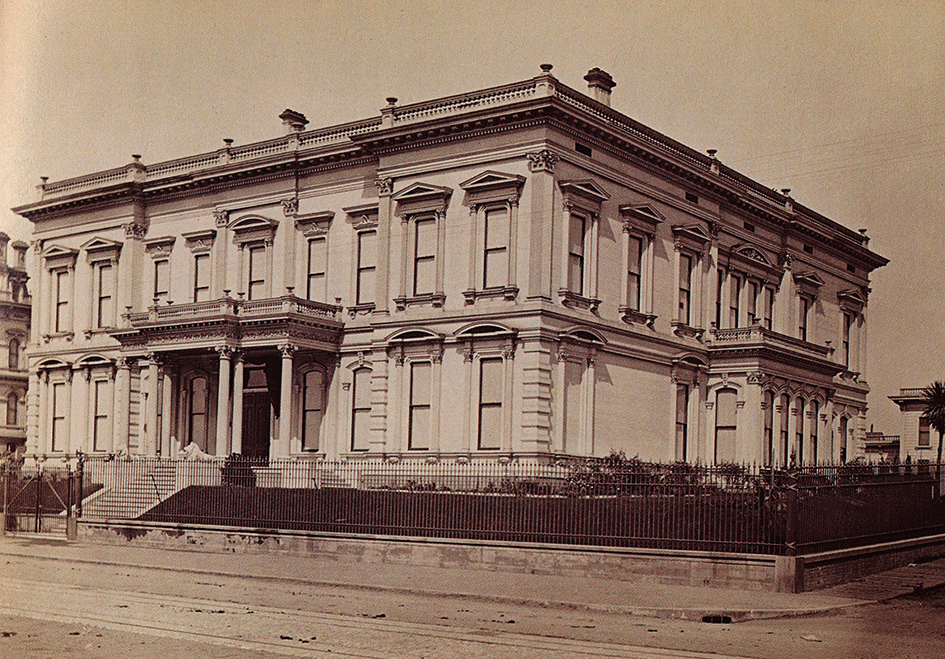

From a Mansion to an Empty Lot (1872–1906)
Long before it became a park, this hilltop was the site of one of Nob Hill’s earliest grand estates.
In 1872, railroad attorney General David D. Colton selected this prominent corner for his new residence, taking advantage of the sweeping views across San Francisco. He built an imposing white Neoclassical mansion, complete with marble steps and tall Corinthian columns, and it soon became one of the most recognizable homes on the hill.
The Colton family hosted gatherings that reflected the wealth and confidence of San Francisco’s railroad era. From California Street, visitors could see the bright façade and formal entryway that marked the site as one of the city’s most prestigious addresses.
But in 1906, the great earthquake and fire swept through Nob Hill and destroyed the mansion entirely, leaving the block a field of ruins.
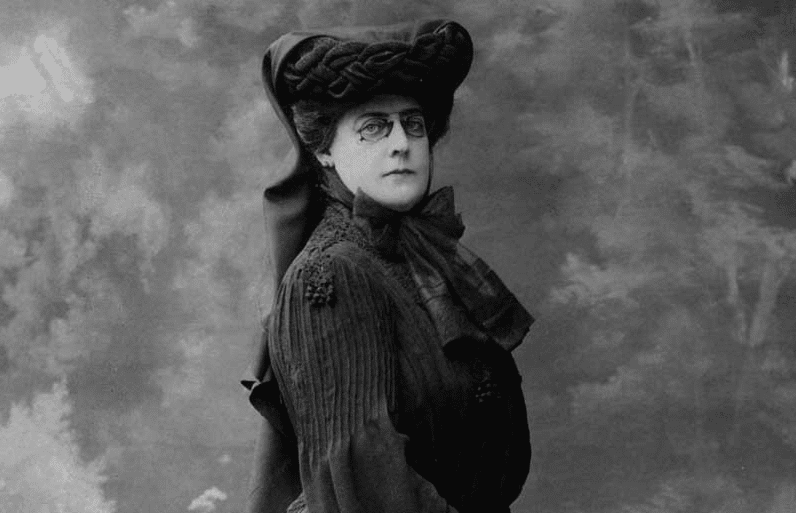
A Gift to the City (1915)
For years after the earthquake, the property remained empty as the city rebuilt around it. Then in 1915, Arabella Huntington—widow of railroad magnate Henry E. Huntington—made a decision that would reshape the neighborhood. Instead of redeveloping the land as a private home, she donated the entire block to the City of San Francisco, asking that it be turned into a public park.
Her gift arrived at a symbolic moment, as the city celebrated the Panama–Pacific International Exposition and its recovery from disaster. Transforming the former mansion site into a shared green space reflected a new civic spirit and provided Nob Hill with a rare piece of open landscape at its center.
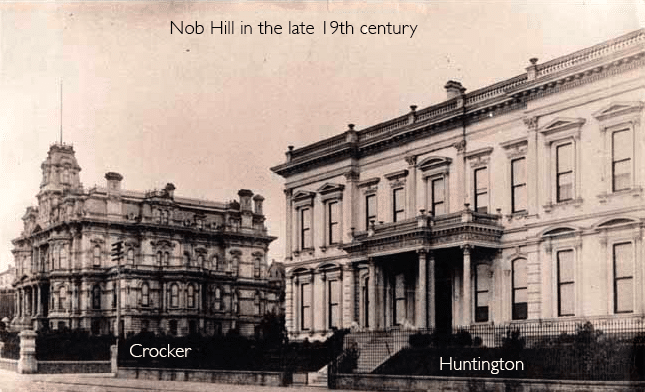
Designing a Neighborhood Park (1915–1920s)
Following Arabella Huntington’s donation, city planners began shaping the block into a formal park. Paths were laid out across the terraces, trees were planted, and benches were added to create a quiet refuge amid the surrounding hotels, apartments, and Grace Cathedral. Residents quickly adopted the park as part of their daily routines—a place for walking, resting, and enjoying the hilltop views once reserved for a single household.
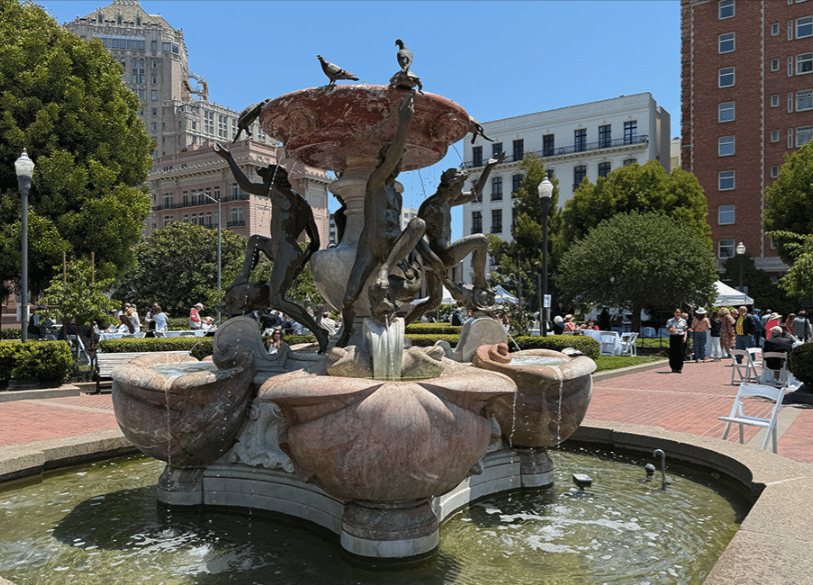
Over time, features such as the central fountain and landscaped lawns helped define the park’s identity. What had once been a private estate evolved into an open gathering space that welcomed neighbors and visitors alike.
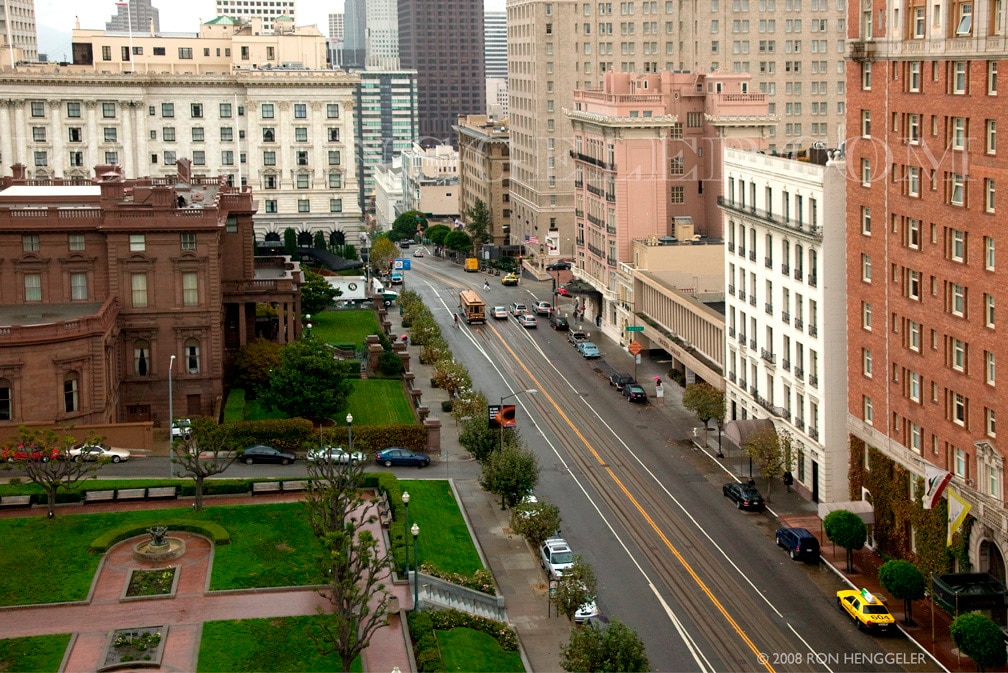
A Park Shaped by Neighbors (Mid 1900s–Present)
Huntington Park continued to evolve throughout the decades as the neighborhood changed. Upgrades to the landscaping, lighting, and play areas kept the park active and well-used. The Turtle Fountain and other elements became familiar landmarks for families and visitors.
The Nob Hill Association has played a key role in sustaining these improvements. Through volunteer work and fundraising, members have helped maintain the park’s beauty and safety, ensuring that it remains a well-cared-for part of the community. Much of what visitors enjoy today is the result of ongoing dedication from neighbors.
Huntington Park Today
Today, Huntington Park is one of the most cherished spaces in Nob Hill. Children play near the fountain, residents relax on benches beneath the trees, and travelers often pause to take in the view of Grace Cathedral.
From an early mansion to an empty post-earthquake lot and finally a public park, this block reflects the resilience, generosity, and shared pride of the Nob Hill community.
© All photographs, including the homepage hero image,
are courtesy of
Ron Henggeler
.